SPECIALIST RESTORATIVE CAD
Full-Mouth Restorative CAD Design
Coordinating multiple restorations is a different task from designing isolated crowns. Pristine supports full-mouth restorative CAD with a shared design brief, reference records and clearly defined review stages.
Discuss this case typeWHO THIS SUPPORTS
A clear fit for your workflow.
Labs and restorative practices coordinating multi-unit work across both arches, including staged or reference-driven reconstruction.
Scope is confirmed for the specific indication, software and production route before acceptance.
Records to prepare
- Clinician-approved plan identifying units and case stage
- Both arches and a clearly identified bite registration
- Approved diagnostic setup or provisional records when available
- Aesthetic references and instructions for what should be retained
- Material selection, production settings and staging requirements
Use an agreed case-transfer route. The public inquiry form is for business details, not patient files.
ACTUAL DESIGN WORK
A view into the detail.
Representative work from the approved Pristine portfolio. CAD views show design work and do not establish clinical outcomes or the scope of a future case.
Explore the portfolio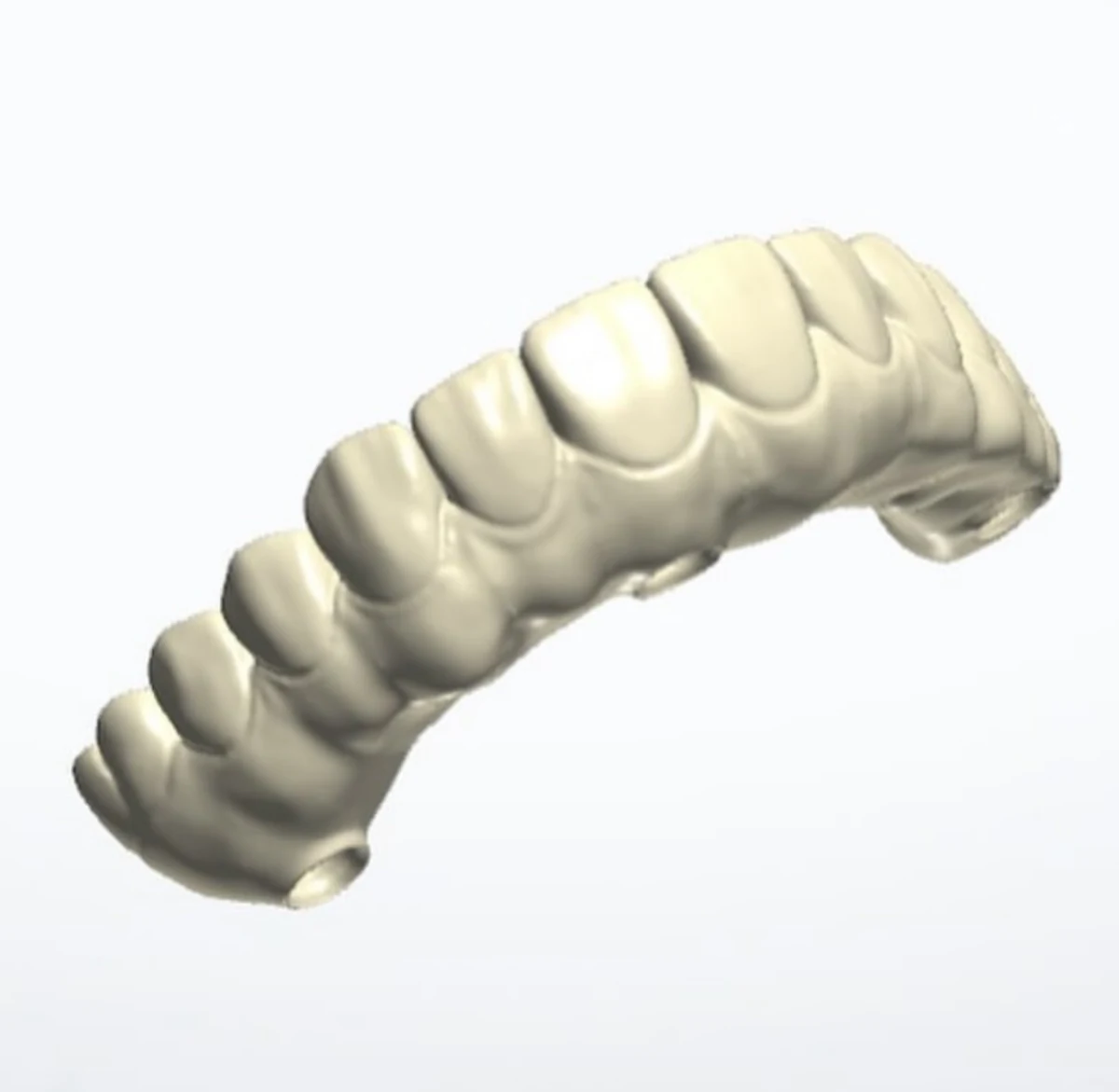
WORKFLOW & REVIEW
From the brief to the handoff.
Keep both arches in context
Identify the approved relationship and which restorations belong to each delivery stage. The designer follows supplied clinical records and instructions; changes to vertical dimension or treatment objectives require clinician direction rather than CAD assumptions.
Build a consistent reference
Align tooth form, proportions and transitions with the approved setup. Document whether a reference is diagnostic, provisional or final so production details are not applied to an unapproved proposal.
Review the sequence
Check cross-arch consistency and the lab’s intended manufacturing sequence. When records or units change, identify which designs must be rechecked. Stage-specific approvals help avoid producing the right design from the wrong reference.
COMMUNICATION & REVISIONS
A traceable handoff.
Agree which segments can proceed independently and which depend on an approved cross-arch reference. Record the design stage and intended manufacturing sequence with each handoff.
If the bite reference, provisional or staged plan changes, identify affected segments before releasing further files. Review downstream dependencies alongside the requested local change.
Scope, file formats, delivery target and revision terms are agreed before work starts. Your team retains clinical and manufacturing approval.
Build a lab-preference packetKeep the staging dependencies visible
Before dividing a larger case into design batches, identify which approved reference each batch depends on. A unit can look complete while the record governing its relationship is still under review. This proposed coordination sheet helps the lab avoid mixing design progress with production permission.
| Stage | Agree before proceeding | Record at the handoff |
|---|---|---|
| Reference review | Which diagnostic/provisional or clinical records govern the current stage. | Reference identity, approval owner and any unresolved decisions. |
| Segment design | Which units belong to this batch and which approved relationships must be retained. | Included units, design revision and dependencies on other segments. |
| Combined review | Which local changes need a cross-arch or multi-unit recheck. | Consolidated revision request and the affected approvals. |
| Production release | Which file set is approved for the receiving manufacturing sequence. | Release owner, stage and superseded files that must no longer be used. |
If a governing reference changes, identify affected segments before scheduling further manufacture. Decisions about treatment objectives or vertical dimension remain with the treating team; a staging worksheet is not a treatment plan.
Start with the blank stage-review worksheet and add your actual approved stages. Do not use example stage names as automatic permission to release a case.
A DEFINED FIRST STEP
Discuss the work.
Define the handoff.
One paid test case, quoted to scope. Delivery target and revision terms agreed before work starts.
Request a test-case quote