SPECIALIST RESTORATIVE CAD
Complex Restorative CAD Design
Complexity often lies in the records, dependencies and review sequence rather than unit count. Pristine supports restorative CAD cases that need a deliberate brief and experienced human oversight.
Discuss this case typeWHO THIS SUPPORTS
A clear fit for your workflow.
Labs and restorative teams coordinating mixed indications, reference-driven reconstruction or cases requiring multiple approval stages.
Scope is confirmed for the specific indication, software and production route before acceptance.
Records to prepare
- Approved restorative prescription and indication list
- Complete records and clearly identified reference versions
- Component details for implant-supported units
- Material and manufacturing requirements by restoration
- Review milestones and the person responsible for approvals
Use an agreed case-transfer route. The public inquiry form is for business details, not patient files.
ACTUAL DESIGN WORK
A view into the detail.
Representative work from the approved Pristine portfolio. CAD views show design work and do not establish clinical outcomes or the scope of a future case.
Explore the portfolio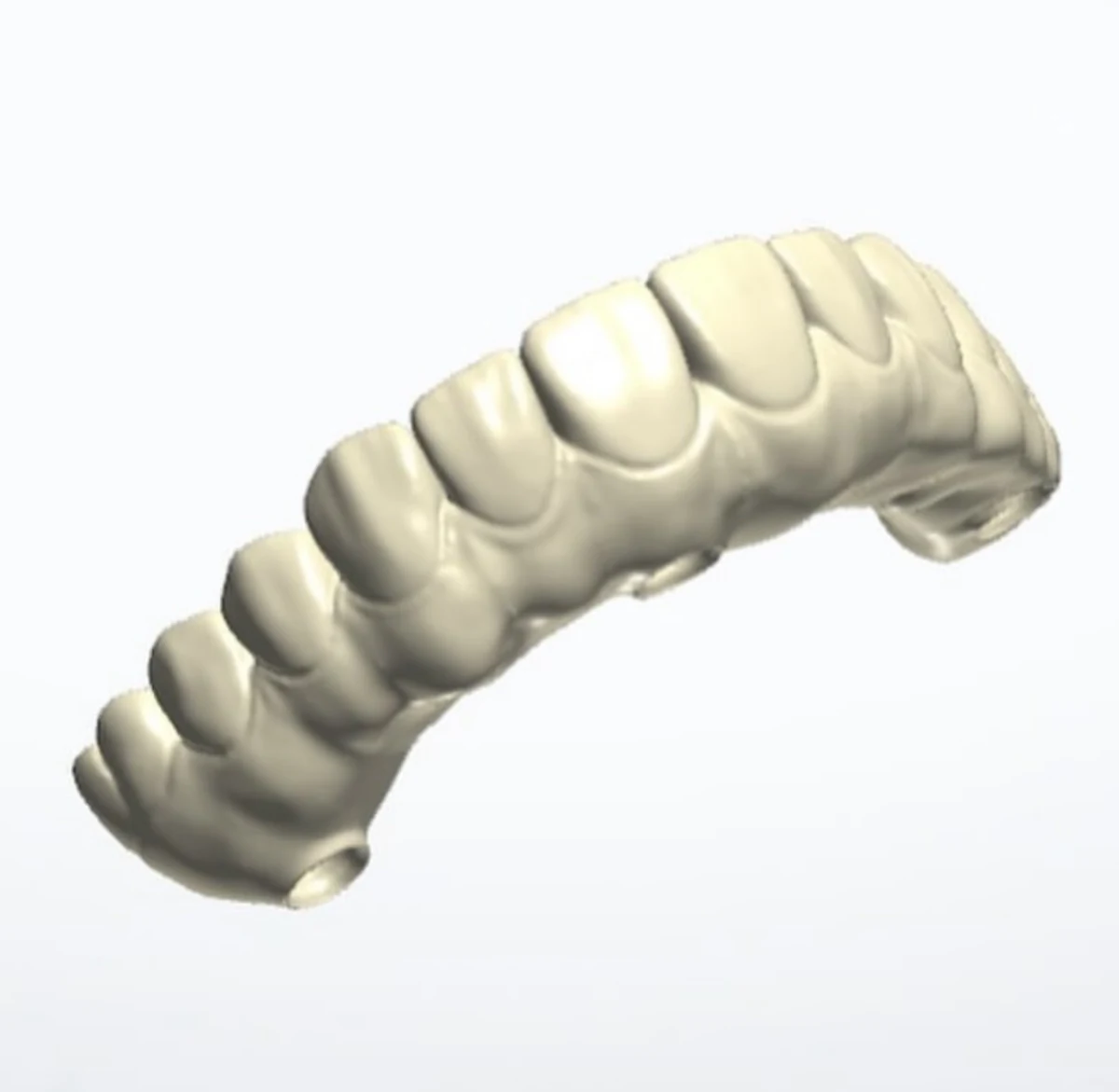
WORKFLOW & REVIEW
From the brief to the handoff.
Map the dependencies
List which units, components and references depend on one another. A mixed implant/tooth-supported case should not inherit one undifferentiated set of production assumptions.
Resolve ambiguity before it spreads
Conflicting bite records, incomplete references or unsupported components can affect an entire case. Document the issue and obtain instructions before finalizing dependent designs.
Review by milestone
Agree when the lab will review setup, restorative relationships and manufacturing files. Changes to clinical records or the approved plan may alter scope and delivery; distinguish them from refinements to the same brief.
COMMUNICATION & REVISIONS
A traceable handoff.
Create an unresolved-questions list before distributing design stages. Each dependency should have a named decision owner and a reference record.
Specify which approval or assumption changed. Pause affected downstream outputs until the team decides whether the correction stays within the agreed scope.
Scope, file formats, delivery target and revision terms are agreed before work starts. Your team retains clinical and manufacturing approval.
Build a lab-preference packetA DEFINED FIRST STEP
Discuss the work.
Define the handoff.
One paid test case, quoted to scope. Delivery target and revision terms agreed before work starts.
Request a test-case quote