SPECIALIST RESTORATIVE CAD
Screw-Retained Implant Restoration Design
Screw-retained restorative CAD brings component compatibility, access and restoration form into the same design. Pristine supports defined implant crown and bridge workflows for laboratories and restorative teams.
Discuss this case typeWHO THIS SUPPORTS
A clear fit for your workflow.
Labs producing screw-retained implant restorations using verified components and a supported CAD/manufacturing route.
Scope is confirmed for the specific indication, software and production route before acceptance.
Records to prepare
- Exact implant/component and scan-body information
- Applicable library and software version
- Arch, opposing, bite and tissue records
- Material, retention approach and prescribed access requirements
- Manufacturing outputs and required review stage
Use an agreed case-transfer route. The public inquiry form is for business details, not patient files.
ACTUAL DESIGN WORK
A view into the detail.
Representative work from the approved Pristine portfolio. CAD views show design work and do not establish clinical outcomes or the scope of a future case.
Explore the portfolio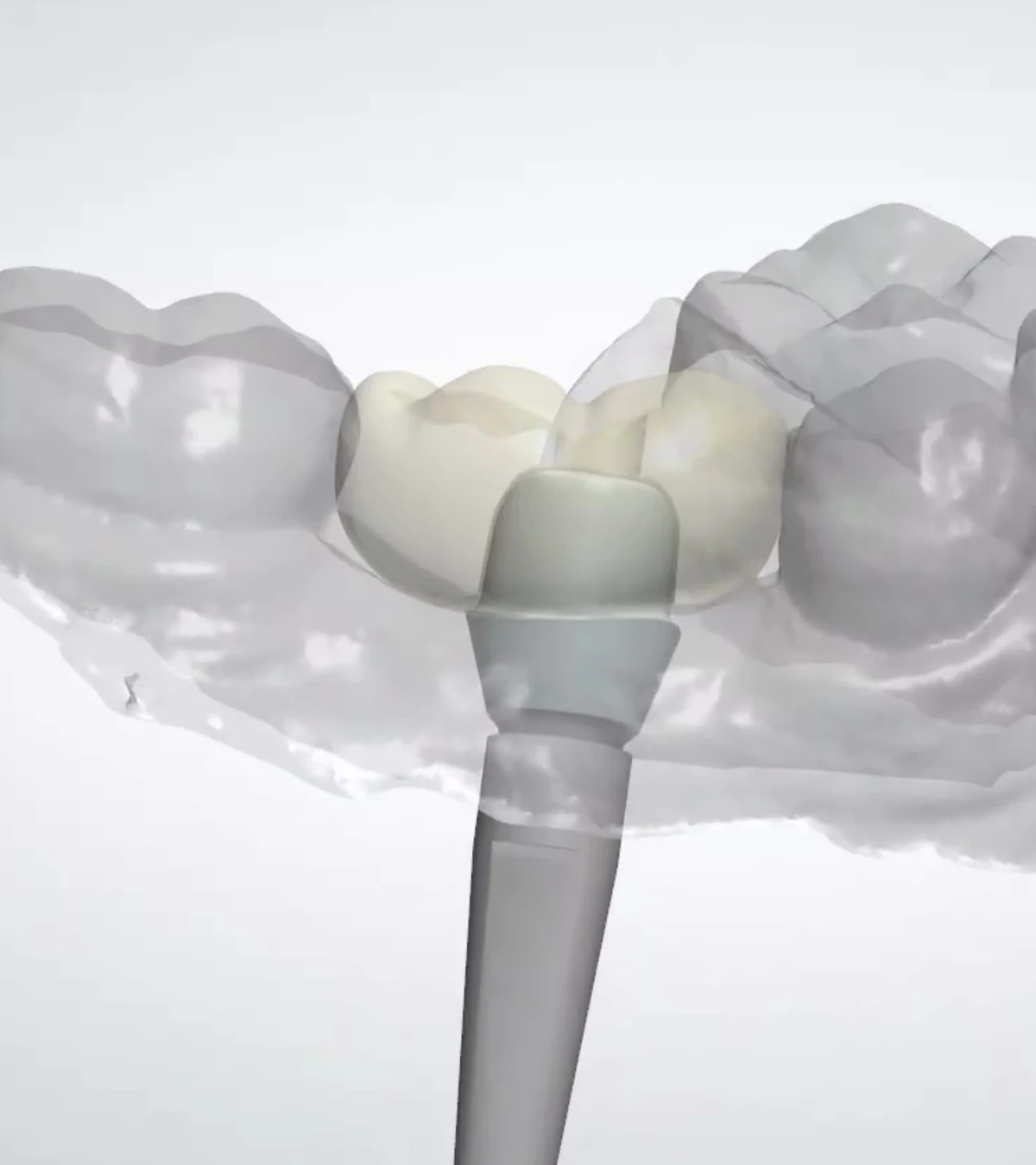
WORKFLOW & REVIEW
From the brief to the handoff.
Define the supported retention workflow
Confirm direct-to-implant, titanium-base or another specified component route. Angulated screw-channel support depends on the selected system and instructions; it is not assumed from the requested restoration name.
Review access and restorative form together
Check the intended access opening relative to anatomy and available space. Component and material constraints inform the shape. A visual review cannot replace manufacturer-specific limits or clinical approval.
Keep output traceable
Deliver the approved design version with the agreed component information. If a library or component changes after review, re-evaluate the design instead of substituting it silently.
COMMUNICATION & REVISIONS
A traceable handoff.
Confirm the prescribed retention approach, component chain and access requirements. Keep the access discussion tied to the approved clinical and restorative brief.
Do not treat a requested access change as an isolated cosmetic edit. Identify whether components, restorative space or approved records change and renew the relevant review.
Scope, file formats, delivery target and revision terms are agreed before work starts. Your team retains clinical and manufacturing approval.
Build a lab-preference packetA DEFINED FIRST STEP
Discuss the work.
Define the handoff.
One paid test case, quoted to scope. Delivery target and revision terms agreed before work starts.
Request a test-case quote